

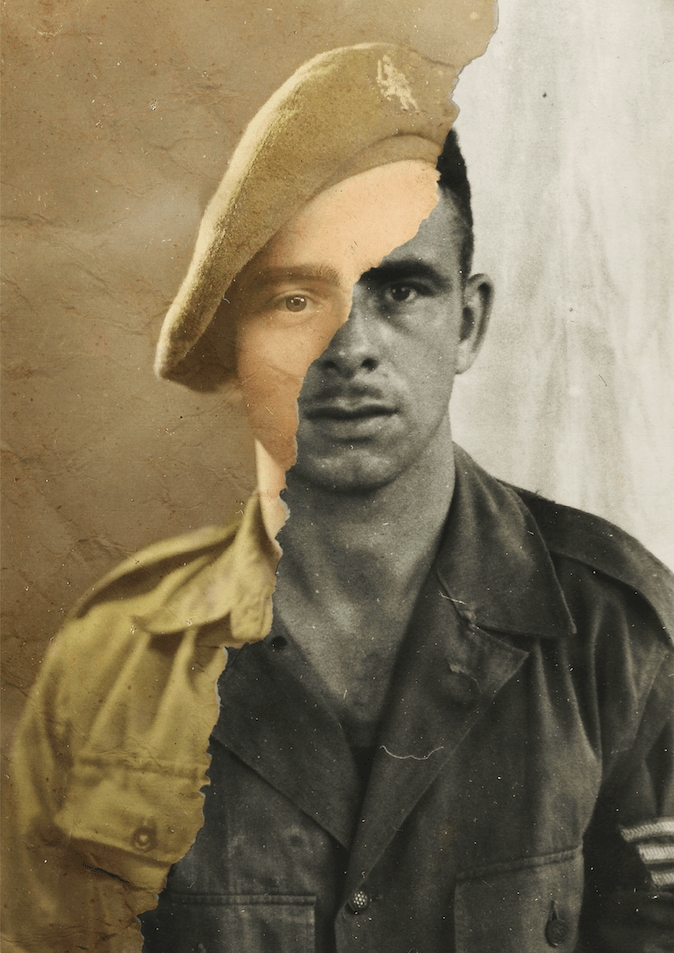
Tabé Java, Tabé Indië turns one family archive into an accessible story about memory, war, and life in the former Dutch East Indies.
The archive
The project began when Ronald Nijboer inherited a wooden case containing his grandfather’s diaries, photographs, and military awards from his service between 1946 and 1948. The material was intimate and personal, but it also belonged to a much larger and difficult period of history.
The storytelling challenge
A collection like this can easily become either too academic or too sentimental. The work needed to respect the historical context while preserving the human detail inside the original documents. The diaries reveal war and suffering, but also friendship, uncertainty, boredom, and close observation of the natural world.
Editorial approach
The story is structured around the relationship between the individual and the wider conflict. Archival material gives the project its texture and credibility, while clear framing helps audiences understand where each personal moment sits in the historical timeline.
Why the project matters
Tabé Java, Tabé Indië shows how design and narrative can open a private archive to a wider audience. Rather than reducing history to dates and outcomes, it allows people to encounter the period through one person’s words, images, and incomplete understanding of the events around him.